


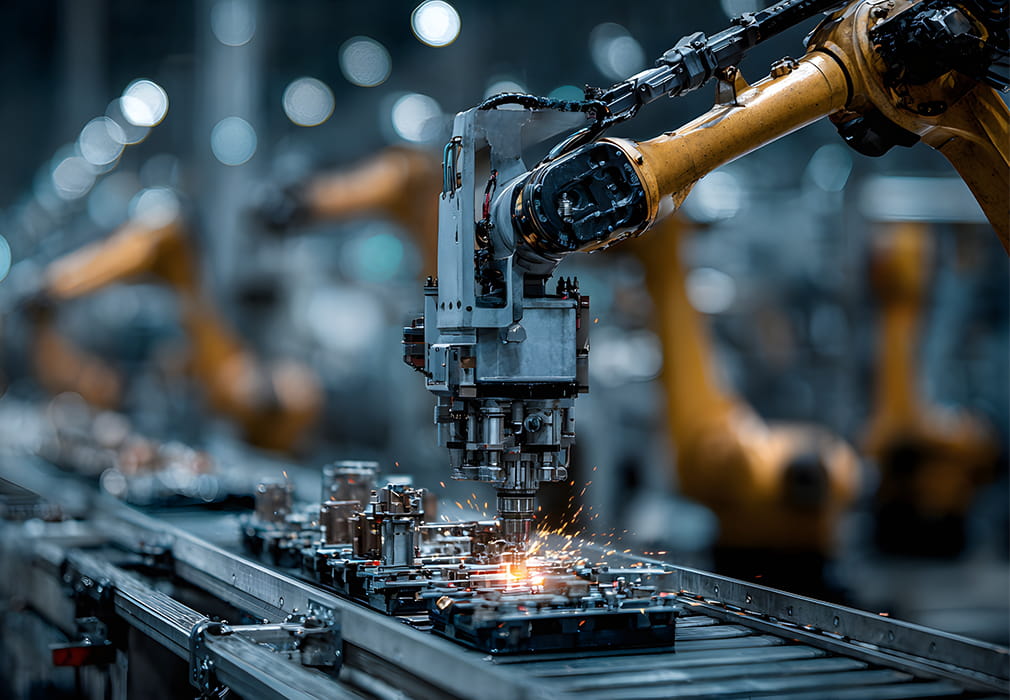
How Automation is Transforming Steel Plants: The Rise of Smart Manufacturing
Automation in steel industry is rapidly changing the overall productivity, quality, safety, and efficiency. As steel demand grows with infrastructure development, manufacturers are adopting multiple automation methods like digital technologies, robotics, and data driven systems to stay competitive and future ready.
Steel plants today are evolving into intelligent manufacturing hubs where automated sensors, AI driven analytics, and real time monitoring systems optimize every stage of production. This transformation is not only improving operational performance but also supporting sustainability and cost efficiency.
Why Automation is Becoming Essential in Steel Plants
The steel industry remains highly energy intensive and complex. Traditional processes require continuous monitoring and precise control, making automation critical for improving reliability and reducing operational risks.
Globally, blast furnace based production still accounts for around 70% of steel production, highlighting the scale of transformation needed to modernize manufacturing systems.
Automation helps steel plants improve operational efficiency, reduce downtime, and meet increasing quality standards in a competitive global market.
Key Areas Where Automation is Driving Transformation
Automation is impacting major stages of steel manufacturing, including production control, quality assurance, and maintenance.
Modern plants use IoT enabled sensors to collect real time data on temperature, pressure, vibration, and energy usage, enabling predictive maintenance and optimized resource utilization.
Studies show that automation in blast furnaces and rolling mills has increased output by 8–15% while improving labor productivity in some plants.
Automation also improves product consistency and reduces human error, ensuring higher quality steel products for infrastructure and industrial applications.
The Future of Smart and Digital Steel Plants
Automation is closely linked with Industry 4.0 technologies such as AI, robotics, and digital twins. Over 4 million industrial robots are already operating in factories worldwide, reflecting the growing adoption of smart manufacturing systems.
As steel plants integrate advanced automation and data driven systems, the industry is expected to achieve higher productivity, safer operations, and more efficient resource utilization.
The future of steel manufacturing will be defined by intelligent, automated, and digitally connected plants that can meet the evolving demands of global infrastructure and industrial growth.