

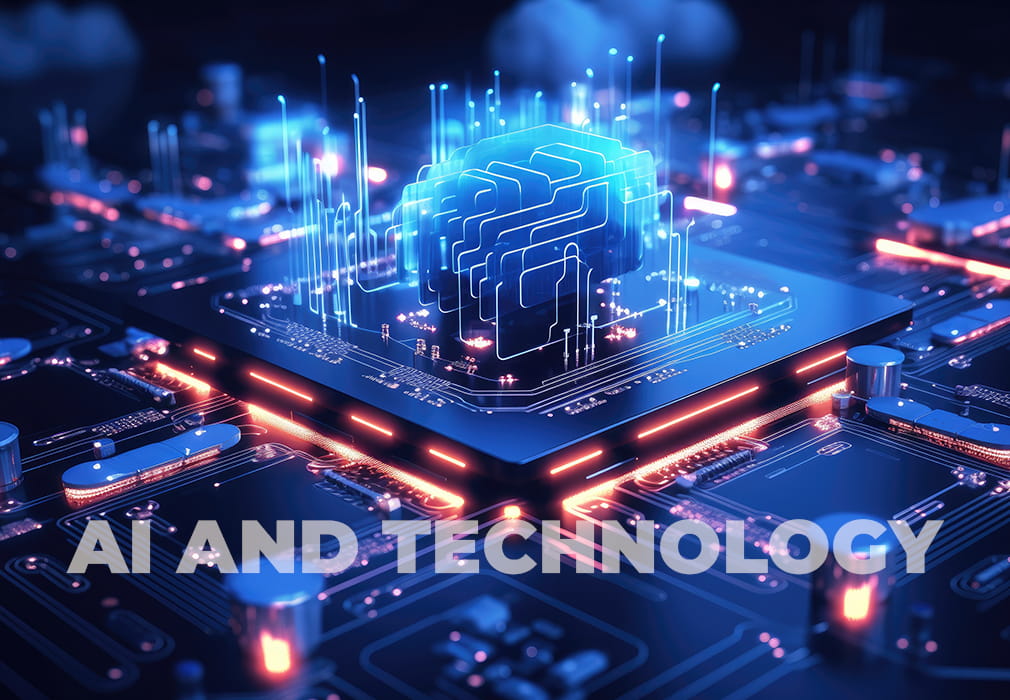
Role of AI and Technology in the Steel Industry
The global steel industry is undergoing a significant transformation driven by the latest trends of Artificial Intelligence (AI), Industry 4.0 technologies, automation, and digitalization. As steel manufacturers face challenges related to cost pressures, sustainability targets, and operational efficiency, technology is emerging as the key enabler for modernization and competitiveness.
With global steel production remaining rising close to 1.8–1.9 billion metric tons annually, the integration of advanced technologies has become essential for meeting future demand and sustainability goals.
Digital Transformation in Steel Manufacturing
The steel sector, traditionally perceived as capital-intensive and conservative, is now embracing digital transformation at an accelerated pace. Governments and industry leaders are investing heavily in AI-driven solutions, automation, and smart manufacturing practices.
For instance, India’s steel consumption nearly doubled from 77 million tonnes in 2014–15 to 152 million tonnes in 2024–25, highlighting rapid industrial growth and the need for technology-driven production efficiency.
How Artificial Intelligence is Revolutionizing Steel Production
1. Predictive Maintenance and Equipment Optimization
AI-based predictive maintenance enables steel plants to monitor equipment in real time, detect anomalies, and prevent breakdowns. This leads to improved productivity and reduced downtime.
AI-driven predictive maintenance uses machine learning models to analyze sensor data, helping forecast failures, optimize maintenance schedules, and reduce equipment breakdowns by up to 30 percent.
This transformation from reactive to predictive maintenance significantly enhances plant operational efficiency.
2. Smart Manufacturing and Process Automation
Modern steel plants are increasingly adopting AI-enabled automation systems that improve production precision and efficiency.
These technologies enable steelmakers to achieve consistent product quality while reducing resource consumption.
3. Quality Control and Defect Detection
Computer vision and AI-based inspection systems are transforming quality assurance in steel production.
As a result, manufacturers can maintain high quality standards while minimizing rework and scrap rates.
Role of AI in Steel Supply Chain and Demand Forecasting
AI is also reshaping the steel value chain by enabling predictive analytics and intelligent decision-making.
This leads to more efficient logistics planning and improved customer satisfaction.
Industry 4.0 and Smart Steel Plants
Industry 4.0 technologies such as IoT, robotics, and advanced analytics are enabling the development of “smart steel plants.”
These advancements are paving the way for autonomous and data-driven steel production ecosystems.
AI and Sustainability in Steel Manufacturing
Sustainability is one of the biggest drivers of technology adoption in the steel industry. AI supports energy optimization, emissions reduction, and efficient resource utilization.
Technology is thus playing a crucial role in the transition toward green steel production.
Emerging Technologies Shaping the Future of Steel
1. AI-Driven Data Centers and Steel Demand
The rise of AI-powered data centers is influencing structural steel demand globally, especially in infrastructure and industrial construction.
2. Additive Manufacturing and Custom Steel Products
Metal 3D printing is expected to revolutionize steel manufacturing by enabling customized, low-waste production processes.
3. Autonomous Production Lines
Future roadmaps include building integrated “AI+ Steel” production lines covering ironmaking, casting, and rolling processes.
These innovations indicate a shift toward fully intelligent and automated steel ecosystems.